

Introducing Caring Contact’s 2026–2027 Board of Trustees
July 5, 2026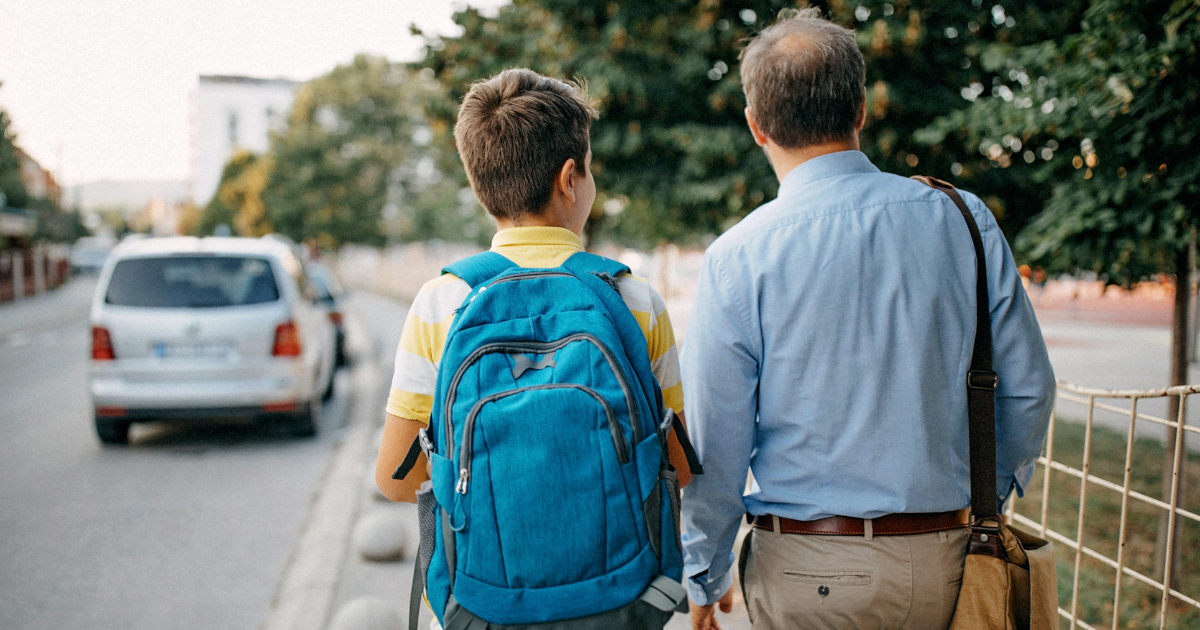
This September, Suicide Prevention Month, is a reminder that prevention starts early, with listening skills you can use to make kids & teens feel heard
It’s not a new backpack or an app to track homework. The most underrated back-to-school tool is one you have, but may need to hone a bit—the ability to really listen.
Every September, families brace for the same familiar chaos: new schedules, social pressures and anxieties about grades, friendships, and fitting in. Parents feel it too, juggling logistics while trying to stay emotionally available. But here’s what often gets lost in the shuffle: when your teenager mumbles “I’m fine” and walks past you into their room it doesn’t have to be a dead end—it can be an opening if you know how to meet it.
This is where simple but specific skills of “active listening” become essential. It’s a skill that can be learned and practiced.
Crisis counselors on the national 988 Suicide & Crisis Lifeline are trained to use active listening skills in some of the highest-stakes conversations imaginable during moments when someone is in real distress and may not have words for what they’re feeling. The techniques they rely on aren’t complicated, but they are deliberate:
Reframe, don’t redirect. Instead of jumping to advice, like, “Just talk to your teacher” or some other solution, reflect what you heard. A reflection could be “It sounds like the new class schedule is stressing you out.” This tells your child you understand why they are feeling the way they are, without solving anything.
Ask open, not leading, questions. “What was the hardest part of today?” is more likely to get a response than, “Did you have a good day?” Open questions convey genuine curiosity, not an interrogation.
Sit in the silence. Crisis counselors are trained to let pauses breathe instead of rushing to fill them. Kids and teens often need time to find the right words, especially about something they’re embarrassed or scared to admit.
Validate before you solve problems. “It makes sense you’d feel overwhelmed,” lands very differently than, “You’ll be fine, everyone goes through this.” Validation isn’t agreement, it’s acknowledgment of feelings and it can open the door to a real conversation.
None of this requires a psychology degree—just practice, patience, and suppressing the instinct to fix things immediately. For families navigating the stress of a new school year, active listening can be the difference between a kid who shuts down and one who opens up.
The payoff extends beyond September. Kids and teens who feel consistently heard at home are more likely to come to their parents when something is seriously wrong— not just about a hard math test, but about the things that keep parents up at night: bullying, mental health struggles, risky decisions. Active listening, practiced early and often, builds the kind of trust that doesn’t evaporate under pressure.
A resource worth knowing about
“At its heart, listening is how we let someone know they don’t have to carry things alone,” says Mary Claire Givelber, Executive Director of Caring Contact. “When a young person feels truly heard, it can make it easier for them to reach out again when they need support.”
Caring Contact, a nonprofit crisis Lifeline and education organization serving central and northern New Jersey, offers Listening Skills Workshops to schools, workplaces, and community organizations often for free or at low cost. These sessions teach the same core techniques used by trained crisis counselors, adapted for parents, educators, and anyone who wants to have better, more honest conversations with the young people in their lives. Click HERE if you are interested in scheduling a Workshop.
If this resonates with you and you’re interested in going further, Caring Contact will begin its next intensive training course for volunteer Crisis Lifeline Listeners on September 15. It’s a meaningful way to turn this skill into service for a community that needs more people who know how to truly listen. And as an added benefit, Caring Contact volunteer Listeners often find these skills strengthen the conversations they have with their own families. Click HERE to learn more and apply for volunteer Listener training.
Back-to-school season will always come with stress. But how families move through it often comes down to something simple: whether kids feel like someone is actually listening. That’s a skill every parent can build starting today.